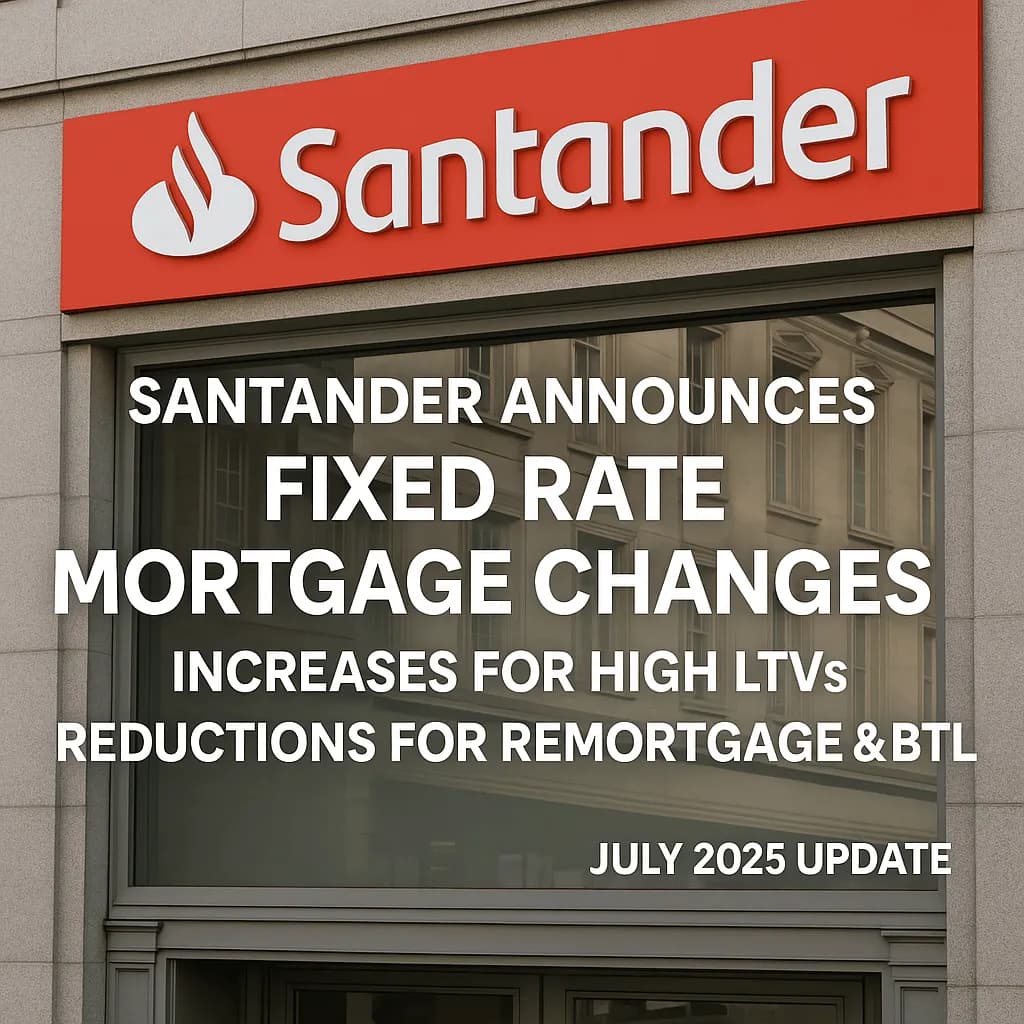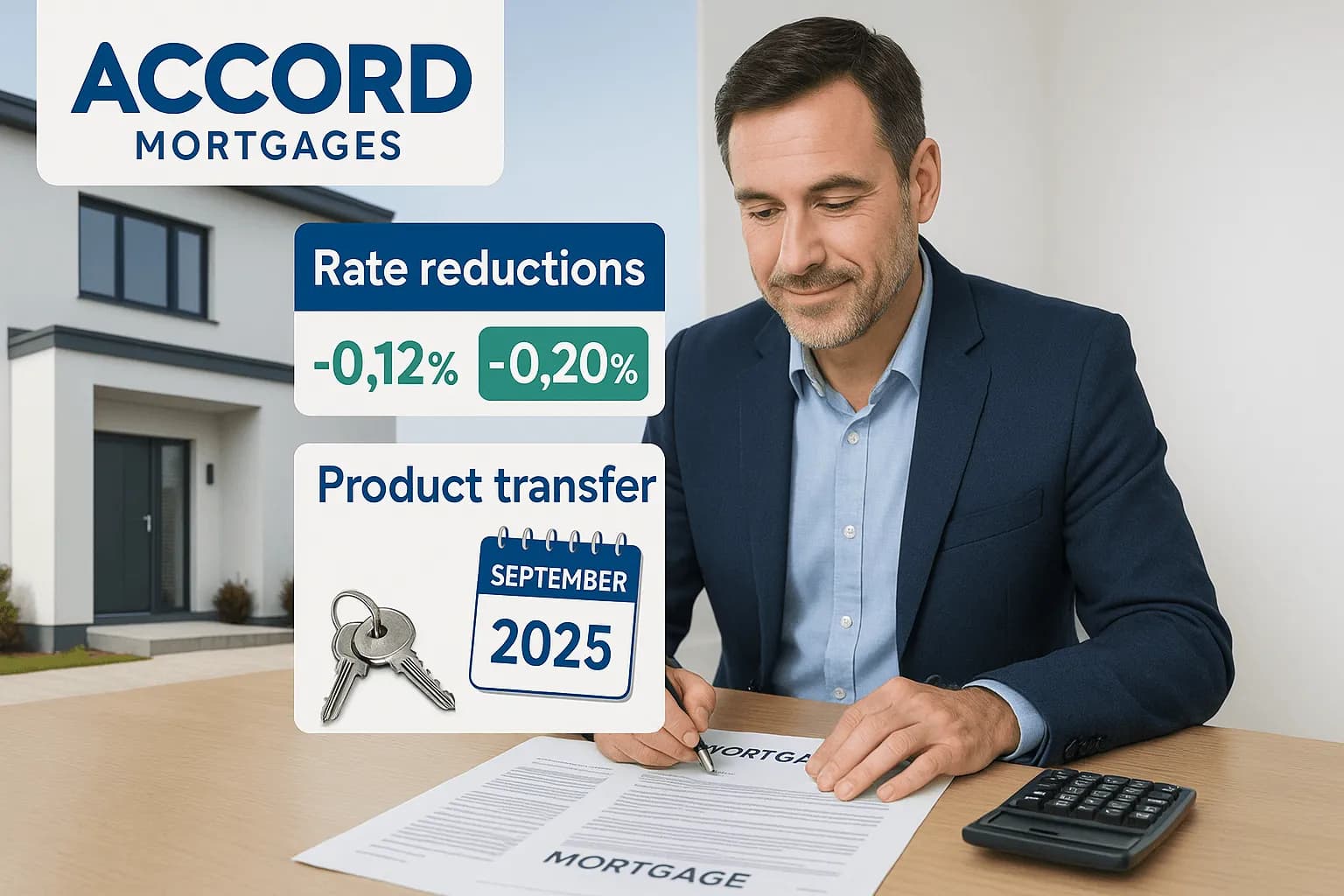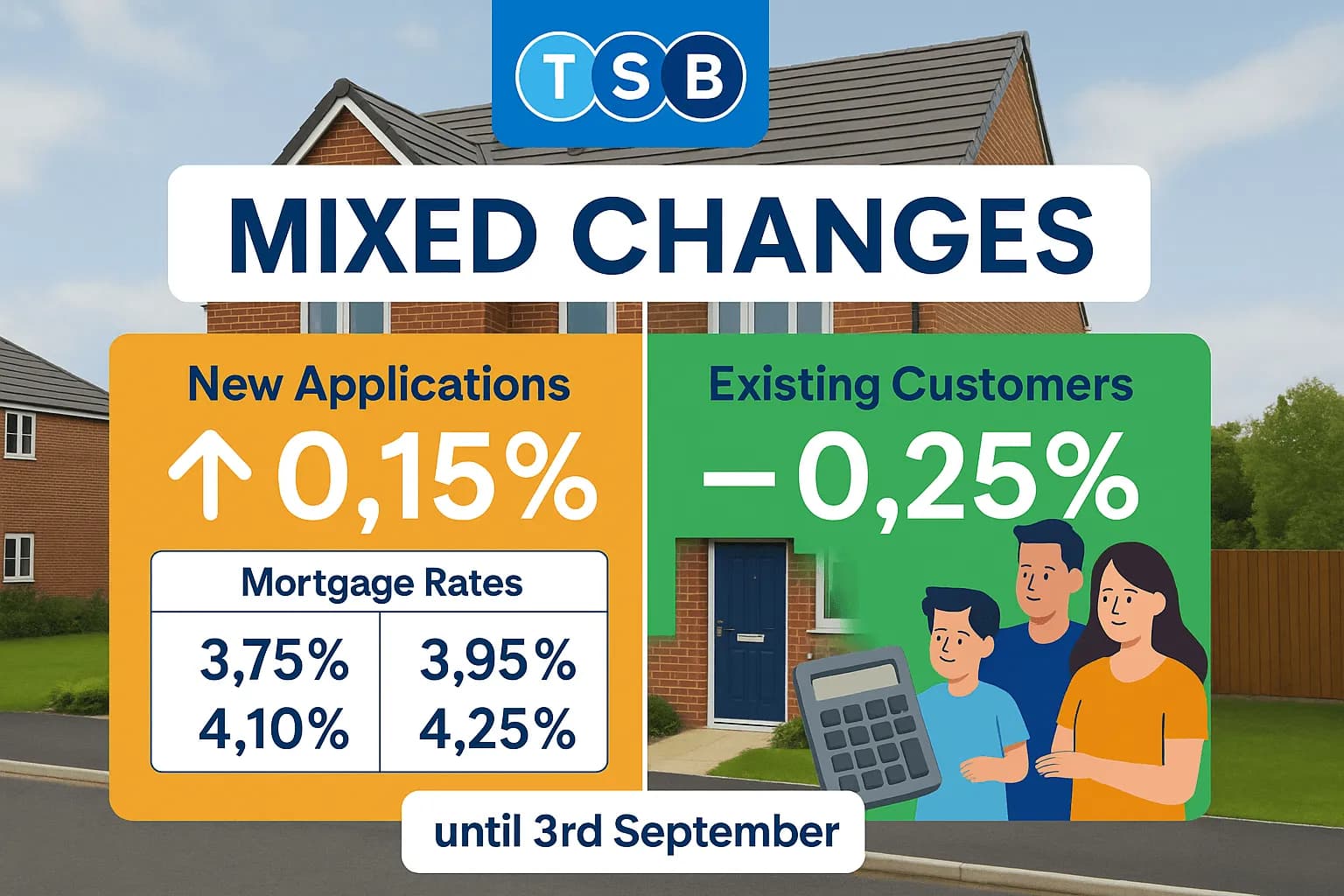
Recent market updates indicate rate increases for new business on both residential mortgages and limited company buy-to-let (BTL) mortgages. If you’re planning a purchase, considering a remortgage, or arranging finance through a limited company structure, changes like these can affect monthly payments, affordability checks and overall product choice.
It’s important to note that this update relates to new-business pricing (i.e. new applications and, in some cases, new product selections), rather than existing borrowers automatically moving onto a higher rate immediately. Even so, shifts in lender pricing can influence how quickly buyers and landlords choose to act, and what options are available.
Below, we break down what this kind of change typically means in practice, who may be affected, and how to approach your next steps.
What’s changed: a pricing uplift for new business
The market notice highlights rate increases across residential and limited company buy-to-let new business. While the email update does not provide specific percentage-point changes, the key detail is the scope:
- Residential mortgages (new borrowing and many remortgage applications)
- Limited company buy-to-let mortgages (new applications under an SPV/limited company)
Lenders may adjust rates for a range of reasons, including changes in swap rates (which influence the cost of fixed-rate funding), broader market expectations around inflation and the Bank of England base rate, and lender appetite for new lending volumes.
If you’re comparing products, you may see:
- Slightly higher fixed rates than were available recently
- Reduced availability of the very lowest “best buy” products
- Changes to product fees, incentives (such as free valuations) or criteria alongside rate changes
Who might be most affected?
Rate increases don’t impact every borrower equally. The practical effect depends on timing, loan size, remaining term and whether you’re in a position to secure a rate.
Homebuyers and movers
If you’re buying a home or planning a move, higher rates can influence affordability calculations and monthly budgeting. For example, on larger loans, even small rate movements can increase the monthly payment noticeably.
If you’re early in your journey, it may be worth reviewing options such as different fixed-rate periods or considering whether a larger deposit could widen product choice.
Remortgaging households
If your fixed rate is ending in the next few months, the new-business pricing environment matters because it can shape what’s available when you switch.
Some borrowers choose to compare remortgage options against a lender’s follow-on rate, or consider whether a product transfer (switching to a new deal with the same lender) is suitable depending on rates and criteria.
Related reading: remortgaging.
Limited company buy-to-let landlords
Limited company BTL lending can be more specialist than personal-name BTL, with underwriting that often considers rental cover, property type, and company/director details.
A rise in new-business rates may affect:
- The stress test or interest coverage ratio (ICR) calculations lenders use
- The viability of new purchases where rental yield is tighter
- Portfolio planning for landlords refinancing multiple properties
If you’re researching your options, see our overview of buy-to-let mortgages.
What to consider if you’re applying soon
While every situation is different, there are a few practical, general steps many borrowers consider when markets reprice:
- Check timeframes: Some rates are withdrawn quickly once a lender announces increases. If you’re mid-application, confirm which product you’re on and whether it’s already secured.
- Compare product structures: A slightly higher rate with a lower fee (or vice versa) may work out differently depending on your loan size and how long you expect to keep the deal.
- Review fixed-rate length: Two-, three- and five-year fixes can price differently. The right fit often depends on your priorities (payment stability vs. flexibility) and future plans.
- Consider alternatives where appropriate: In some cases, borrowers look at other borrowing routes—such as secured borrowing—to raise funds without disturbing an existing low-rate first mortgage. This is general information only; suitability depends on individual circumstances and lender criteria.
Key Takeaways
- Lenders are implementing rate increases for residential and limited company buy-to-let new business.
- This typically affects new applications and new product selections, rather than immediately changing existing fixed-rate payments.
- Higher rates can influence affordability, product choice, and rental cover calculations for landlords.
- If you’re planning a purchase or remortgage, it may help to review options early and understand any deadlines for securing a product.
How Deal Direct Can Help
Deal Direct Financial Solutions is a UK-based, FCA-authorised mortgage broker (FCA #478726). If rate changes have you reassessing your plans, we can help you explore the options available across residential and buy-to-let lending, including limited company structures.
Whether you’re buying, refinancing, or weighing up a remortgage versus a product transfer, our advisers can explain how different products work and what lenders typically look for. To get started, you can speak to an adviser and request a free quote via our contact us page.
Important: This article is for informational purposes only and does not constitute financial advice. Your home may be repossessed if you do not keep up repayments on your mortgage.